Step-by-Step Guide to Rebuilding Your Home After a Fire in Los Angeles
HANNAH A ·December 4, 2025
Step 1: Make Sure the Property Is Safe
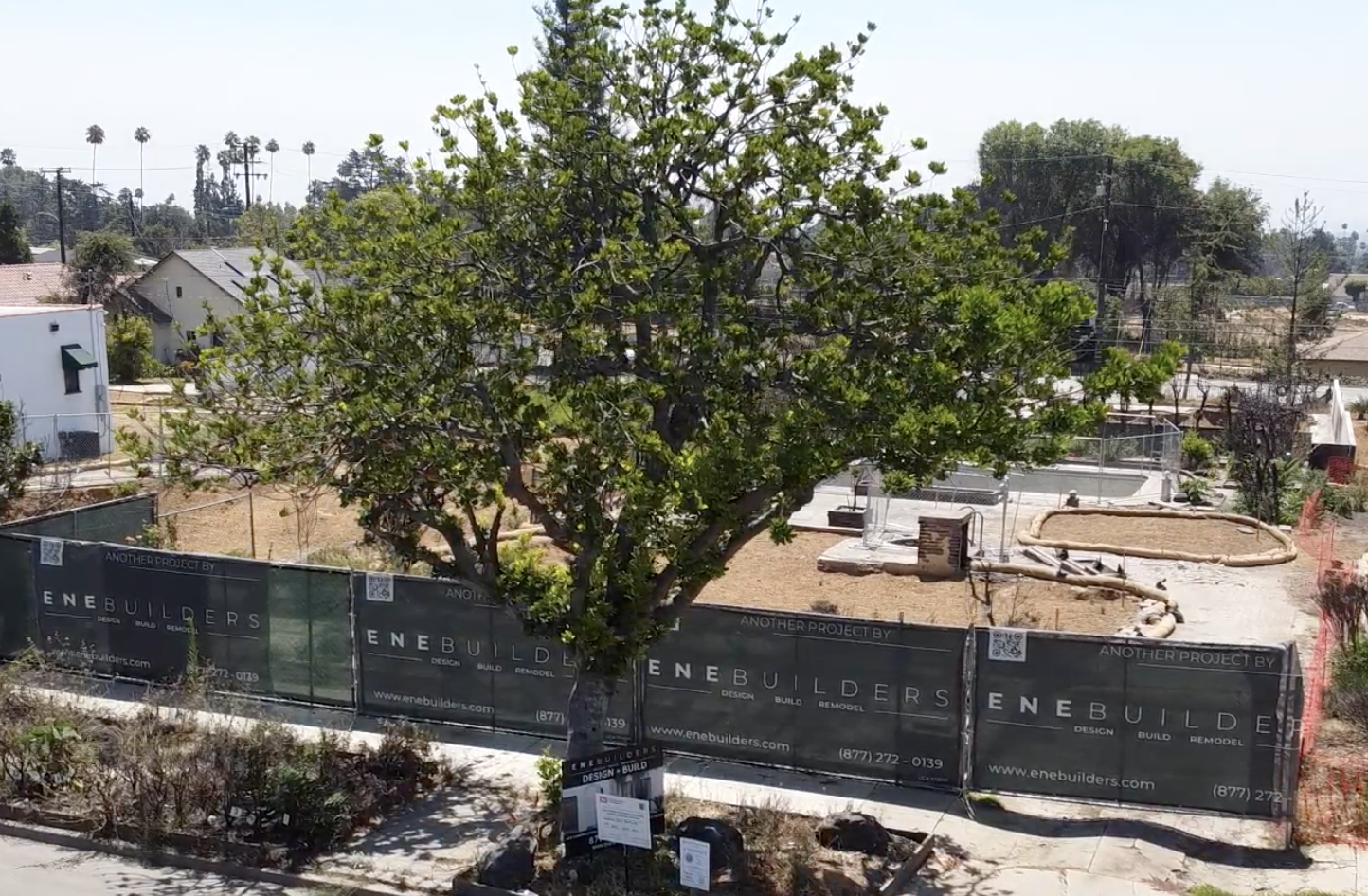
Before anything else, safety comes first.
Wait for official clearance. Only enter the property after the fire department confirms it’s safe.
Secure the site. Board up broken windows and doors, fence off dangerous areas, and protect the home from trespassers and weather.
Turn off utilities. Ensure gas, power, and water are turned off by the appropriate utility providers to avoid further damage or hazards.
If you’re unsure where to begin, a contractor experienced in fire rebuilds can coordinate board-up, temporary fencing, and initial site safety for you.
Step 2: Contact Your Insurance Company

Once everyone is safe and the site is secure, your next critical step is insurance.
Notify your insurance carrier immediately. Start a claim and ask for a claim number and your adjuster’s contact information.
Request a copy of your policy. This will show your coverage limits, additional living expense coverage, and any specific requirements for rebuilds.
Document everything. Take photos and videos of the damage from multiple angles, including the exterior, interior, structure, and any remaining contents.
Having an experienced design-build team on your side early can help you communicate with your adjuster and provide realistic cost estimates for a full rebuild.
Step 3: Get a Fire Report and City Records
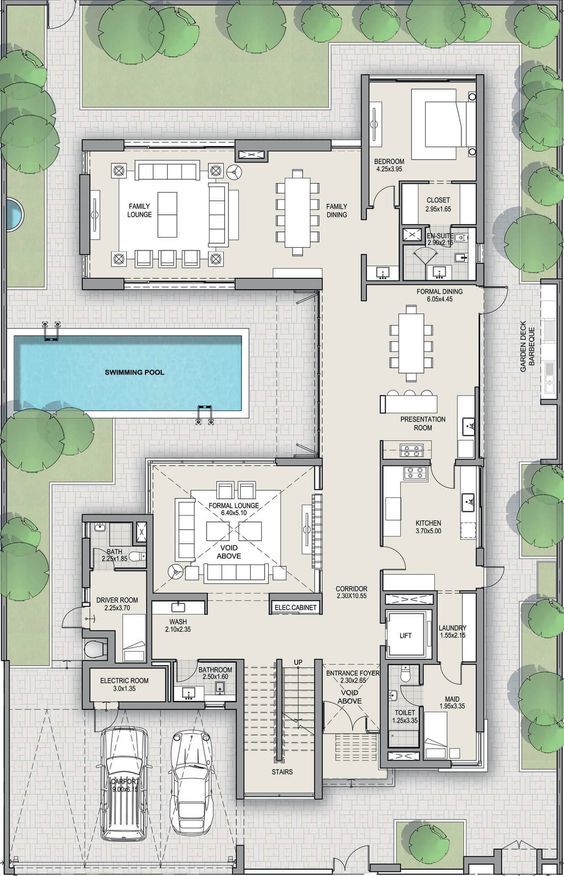
In Los Angeles and surrounding cities, documentation from the authorities is often needed for permitting and future planning.
Obtain the fire report. This is usually available through your local fire department and documents the incident details.
Pull existing building records. Floor plans, prior permits, and past inspections from the city can help determine what was legal, what was grandfathered, and what may need upgrading to current code.
These documents are invaluable when your architect or design-build team starts designing your new home and working with the city.
Step 4: Build Your Fire Rebuild Team
Rebuilding after a fire is not a simple “remodel”—it’s often treated like a new construction project with additional complexity. You’ll want a strong team in place:
Design + Build Firm or Architect + Contractor
Structural and civil engineers
Permit specialist or expeditor
Interior designer (optional but highly recommended)
At ENE Builders, we operate as a full-service design + build firm, which means we handle the architectural design, engineering coordination, permitting, and construction under one roof. This is especially helpful in fire rebuilds, where you need clear communication and a coordinated plan from start to finish.
Step 5: Clarify Scope, Budget, and Timeline
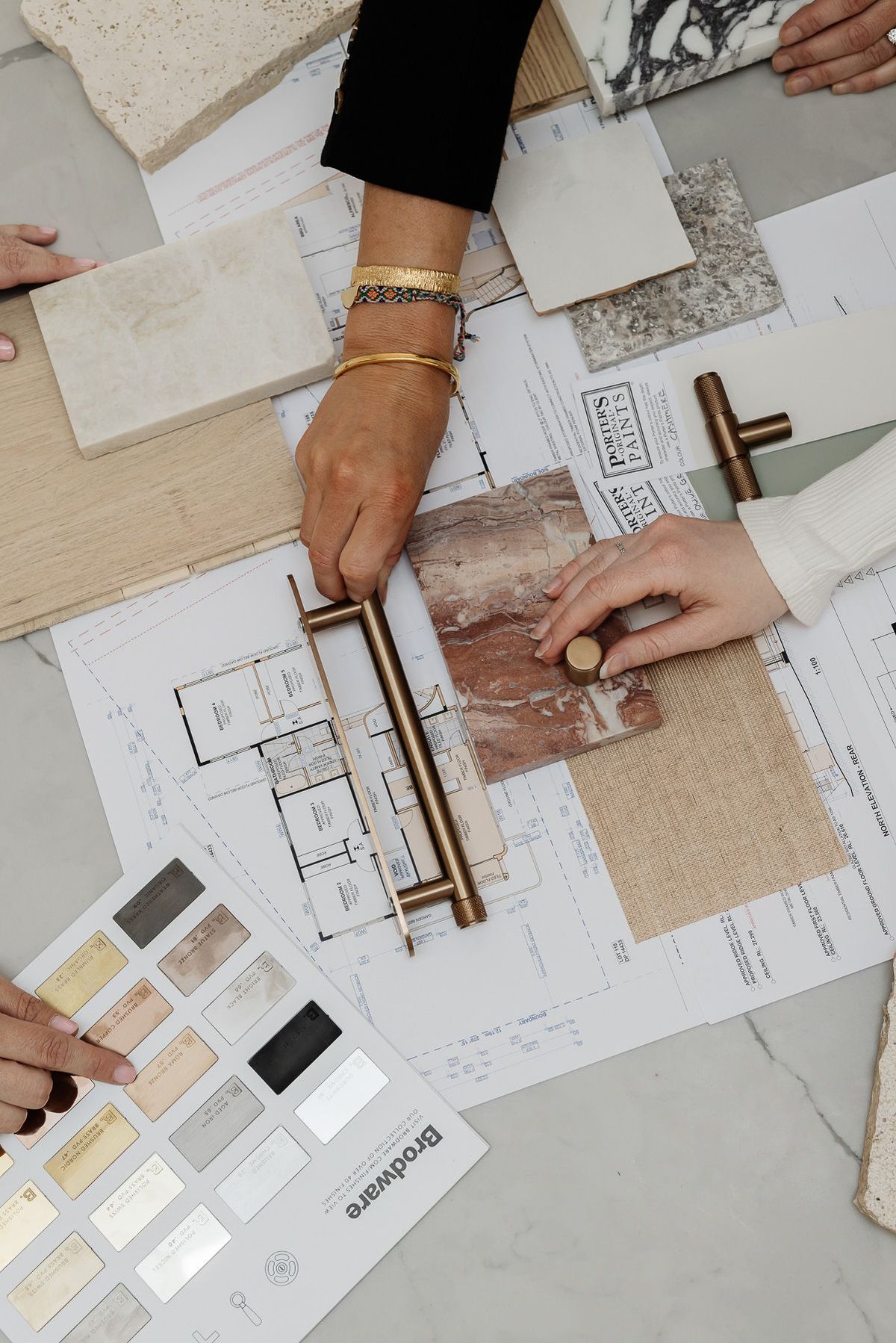
Before drawings begin, it’s important to align on the big picture:
Scope: Are you rebuilding the same footprint, expanding, or reconfiguring the layout entirely?
Budget: What is your total budget including construction, professional fees, finishes, and contingency? How does this compare to your insurance coverage?
Timeline: Fire rebuilds can take longer due to permits, inspections, and engineering requirements. A realistic schedule will reduce stress and surprises later.
Your design-build team should provide a rough budget range and strategy early on so you understand what’s possible within your coverage and goals.
Step 6: Design Your New Home
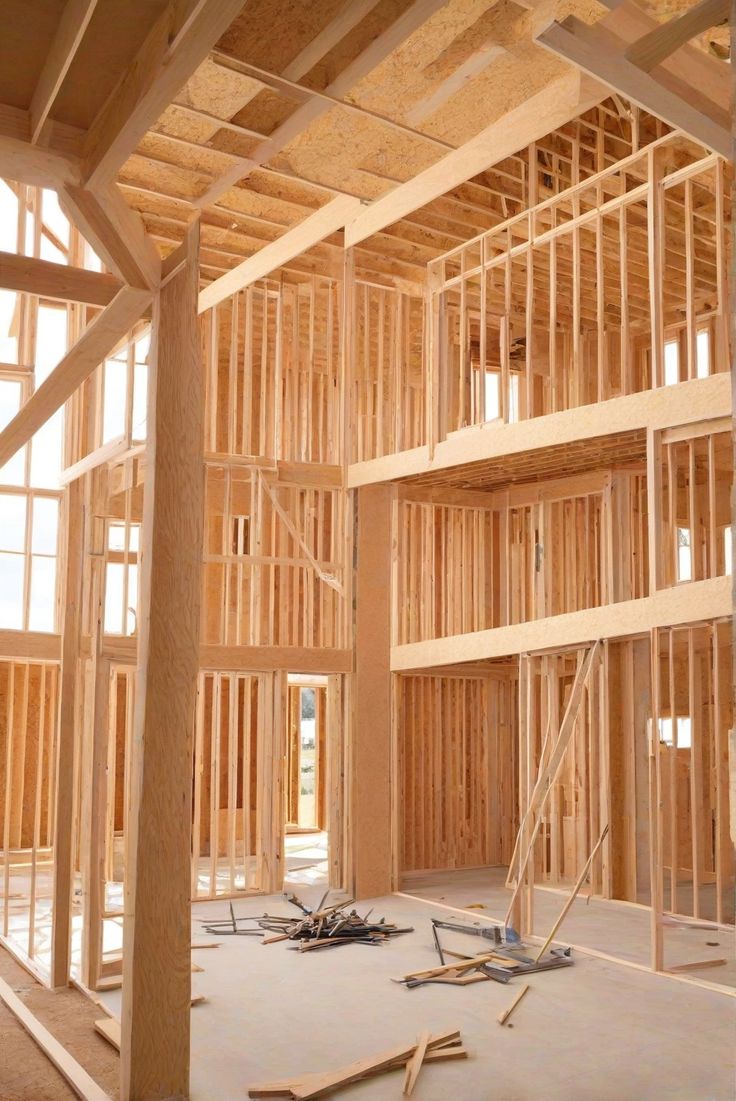
This is where your future home starts to take shape.
As-built and site measurements. Even after a fire, your team will carefully measure and document existing conditions.
Conceptual design. Floor plans, elevations, and layout options are developed based on how you want to live in the home now—not just how it was before.
Code and zoning review. In Los Angeles and neighboring cities, your team must ensure the design complies with current building codes, zoning, height limits, setbacks, and hillside or fire-zone regulations.
Material and finish planning. For fire rebuilds, many homeowners choose upgraded, more fire-resilient materials, improved windows, better insulation, and modern systems.
This phase should feel collaborative. You’ll review drawings, make changes, and sign off on a finalized set of plans before moving forward.
Step 7: Permits and City Approvals
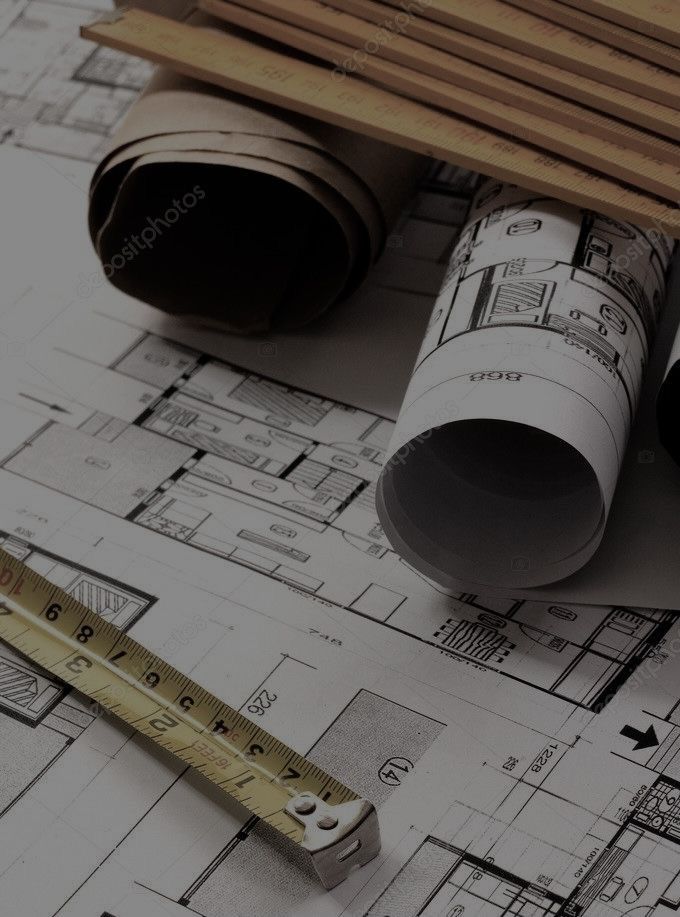
Fire rebuilds often require more intensive city review than a simple remodel.
Expect some or all of the following:
Plan check with the building department
Structural review for framing, foundations, and seismic requirements
Energy compliance (Title 24 in California)
Fire department or fire-zone requirements (sprinklers, access, defensible space, etc.)
Additional agencies as needed (public works, grading, utilities, etc.)
A good design + build team will prepare a complete permit package, submit it to the city, respond to corrections, and keep you updated throughout the process.
Step 8: Construction and Inspections
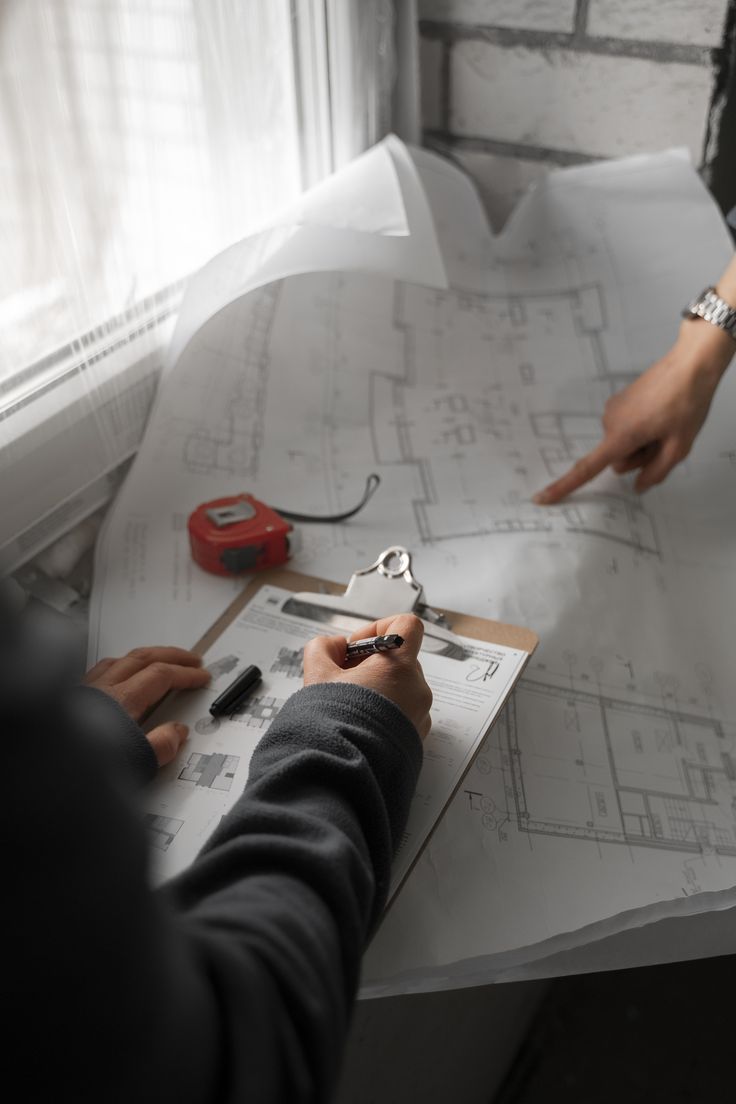
Once permits are approved, construction can begin.
Typical phases of a fire rebuild include:
Site preparation & demolition
Removing damaged material, cleaning the site, and preparing for new work.Foundation & structural framing
Repairing or replacing foundations, framing new walls, floors, and roofs to current structural standards.Rough plumbing, electrical, and mechanical
New wiring, plumbing lines, HVAC, and any smart home or solar infrastructure.Insulation, windows, and exterior envelope
Installing energy-efficient, fire-conscious materials to protect and insulate your home.Drywall, interior finishes, and cabinetry
Walls, doors, trim, cabinetry, flooring, tile, and other finishes.Final fixtures and details
Lighting, plumbing fixtures, hardware, paint, and final touch-ups.
Throughout this process, the city will perform multiple inspections (framing, rough plumbing/electrical, insulation, final inspections, etc.). Your contractor should schedule these and coordinate any corrections.
Step 9: Final Walkthrough, Punch List, and Move-In

As you near completion:
Do a detailed walkthrough with your builder to identify any touch-ups or corrections (the “punch list”).
Review warranties and manuals for systems, appliances, and finishes.
Confirm final inspections and sign-offs from the city and, where applicable, your lender or insurance.
This is the moment where the process comes full circle—your home is not only rebuilt, but often upgraded in safety, comfort, and design.
Contact us today for a consultation and let us show you how we can transform your vision into a space you will love.
ENE BUILDERS | LA + OC Remodeling
Family owned affordable design+build firm
Specializing in Spanish revival , Modern Mediterranean Organic Design
From A-Z: Architecture | Design | General Contractor | Showroom Details obsessed + Planning perfection