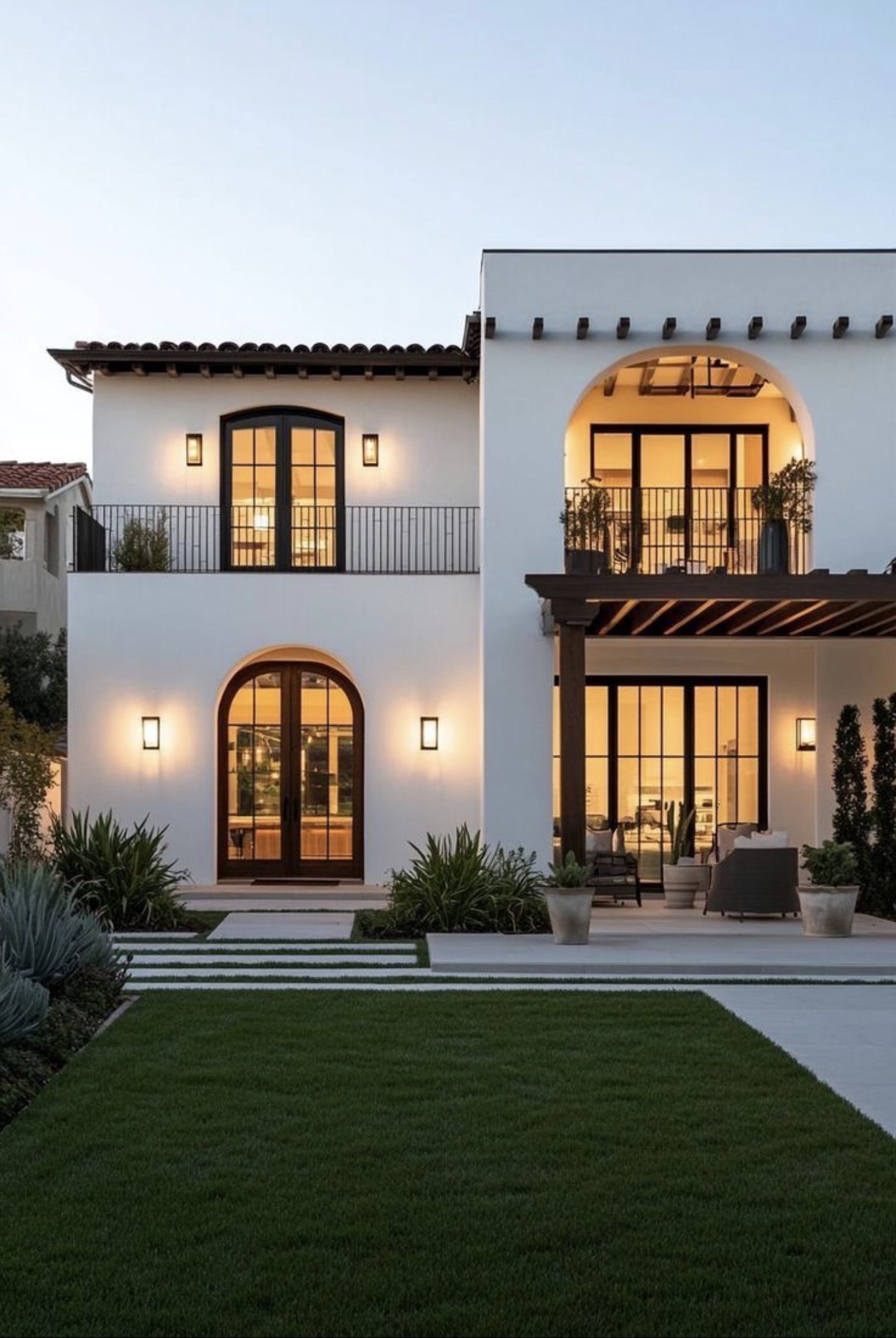
Modern Rebuilding After a Fire in Altadena : A Step by Step Guide for Homeowners (2026)
What to Expect , Where to Start and How to Move Forward with Confidence
Experiencing a fire is overwhelming.
The impact goes beyond the visible damage it affects your sense of stability, routine and home.
Rebuilding isn’t just a construction process.
It’s a series of decisions that can feel unfamiliar without the right guidance.
Having a clear path forward helps bring structure back to a difficult situation.
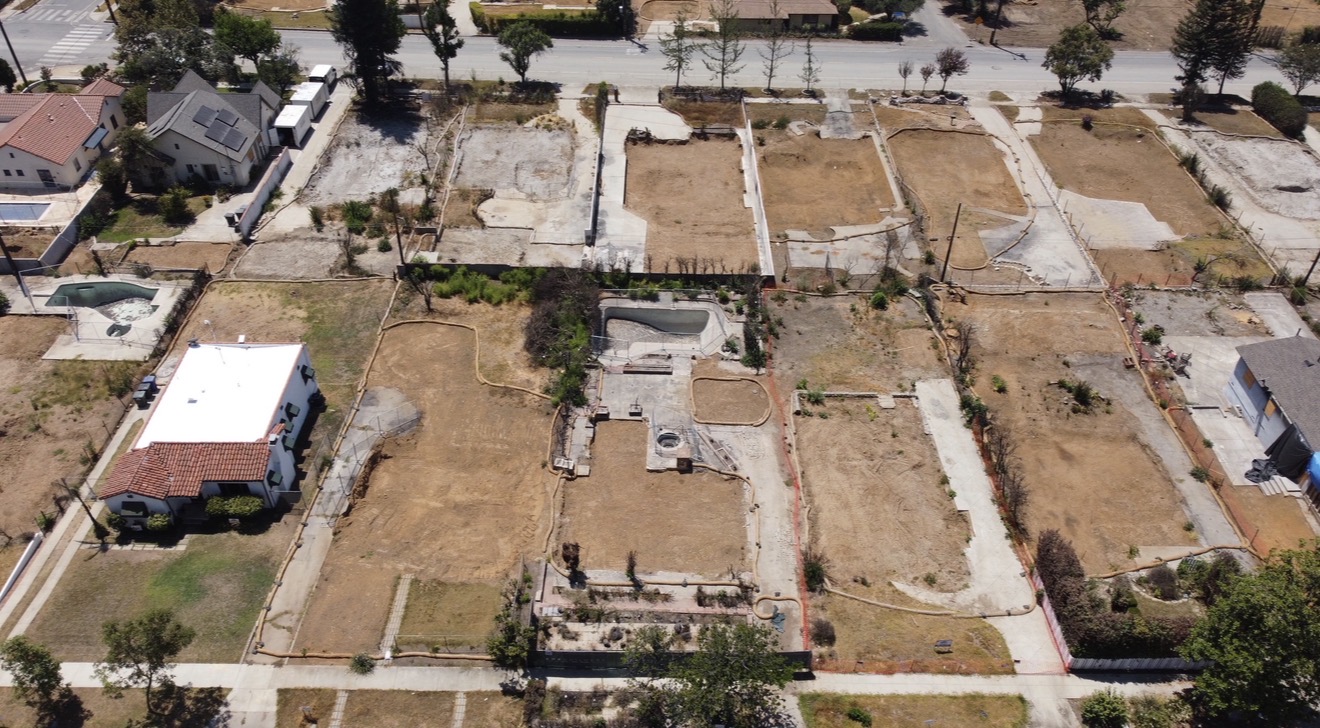
Step 1 : Ensure Safety and Secure the Property
Before anything else, safety comes first.
Once the property has been cleared by local authorities:
• Confirm it’s safe to access
• Secure the site to prevent further damage or entry
• Document the condition of the home with photos and notes
This documentation will be important for both insurance and next steps.
Step 2 : Contact Your Insurance Provider
Your insurance provider plays a key role in the rebuilding process.
Early steps typically include:
• Filing a claim as soon as possible
• Scheduling an inspection with an adjuster
• Reviewing what is covered, including structure and temporary living
Keeping organized records will help avoid confusion later.
Step 3 : Understand Local Requirements in Altadena
Rebuilding in Altadena involves specific local processes.
Depending on the extent of damage, you may need:
Structural evaluations
Debris removal approvals
Permits for reconstruction
In 2026, updated building codes may also apply particularly those related to fire resilience and safety.
Working with a team familiar with Los Angeles County regulations can help streamline this phase.
Step 4: Decide ; Rebuild as Before or Reimagine the Space
Not every rebuild follows the same direction.
Some homeowners choose to restore what was lost. Others take the opportunity to rethink how the home functions.
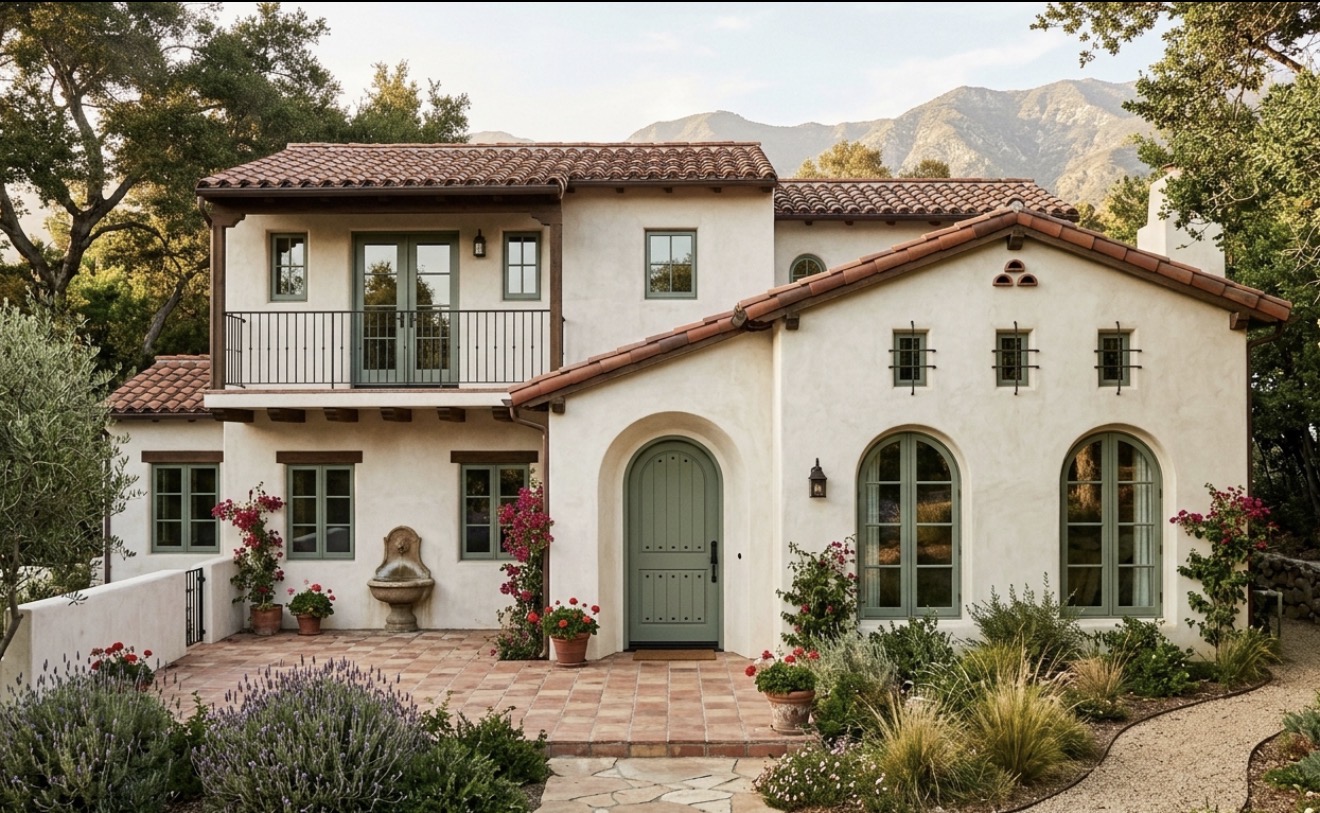
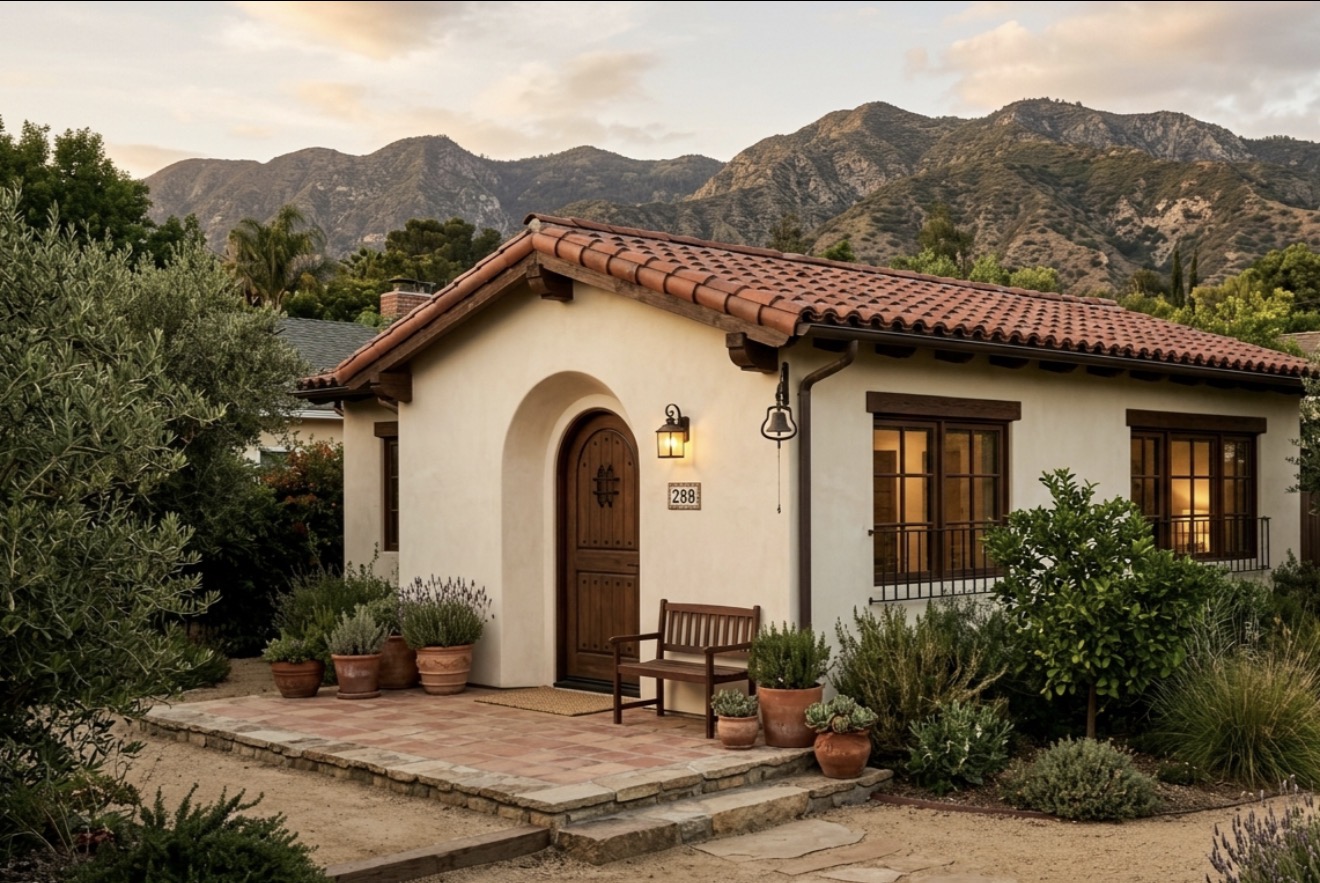
A common approach is rebuilding the home as it was originally designed often referred to as a like-for-like rebuild. This means maintaining the same layout, structure, and overall footprint, which can sometimes simplify approvals and align more closely with insurance coverage.
Alternatively, many homeowners choose to:
• Improve layout and flow
• Expand or reconfigure spaces
• Introduce more natural light
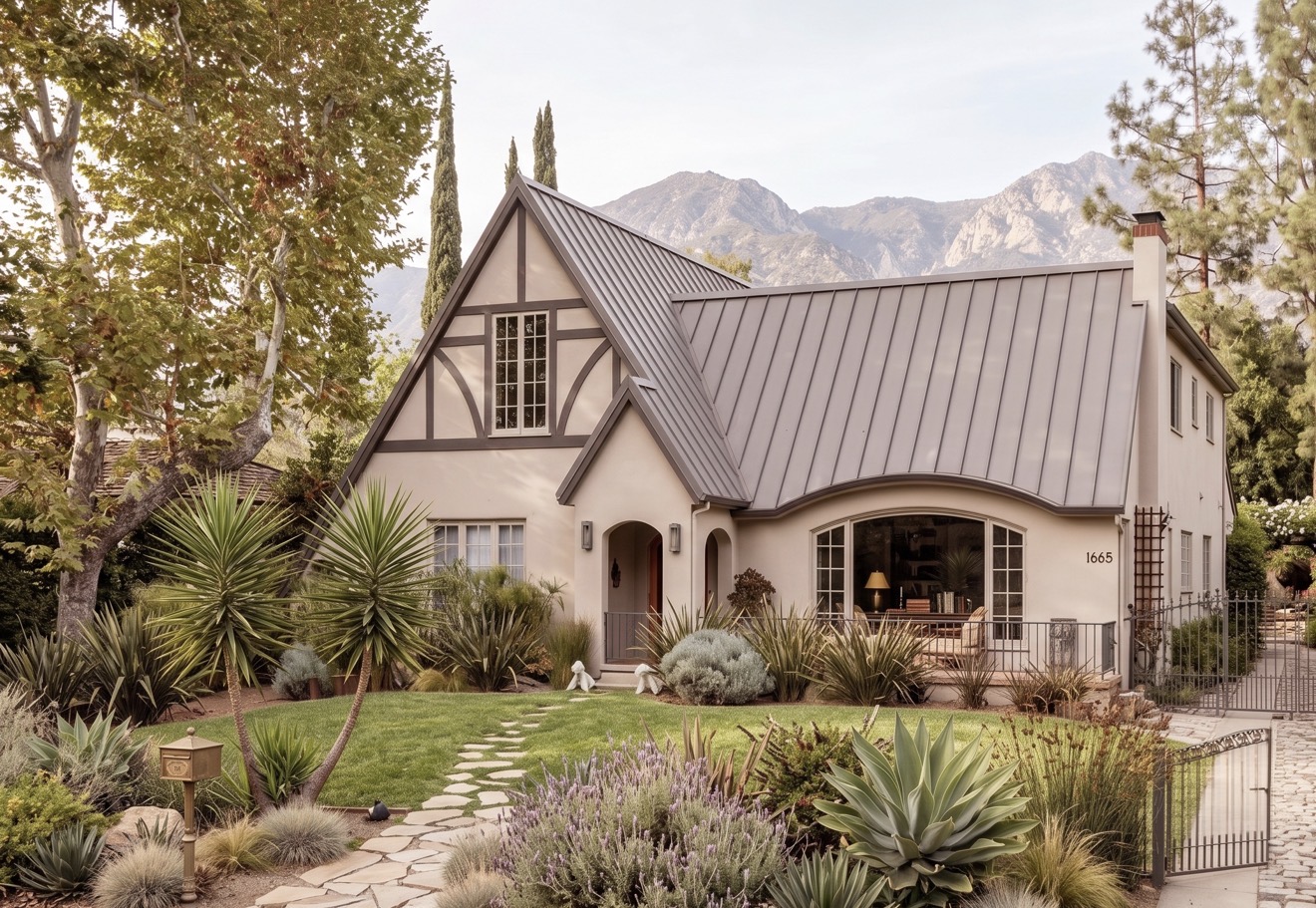
• Upgrade materials and finishes
Both paths are valid.
The decision depends on your priorities, timeline, and long-term vision for the home.
Step 5: Assemble the Right Team
Choosing the right team early on can make a significant difference.
A design-build approach allows for:
• Alignment between design, budget, and construction
• A more streamlined process
• Clear communication from start to finish
Having one team manage the process helps reduce delays and misalignment.
Step 6 : Design and Planning
Before anything else, safety comes first.
Once the property has been cleared by local authorities:
• Confirm it’s safe to access
• Secure the site to prevent further damage or entry
• Document the condition of the home with photos and notes
This documentation will be important for both insurance and next steps.
Once direction is established, the design phase begins.
This includes:
• Floor plan development
• Material and finish selections
• Integration of updated building requirements
• Budget alignment based on scope
Thoughtful planning at this stage helps prevent unnecessary changes late.
Step 7 : Permits and Approvals
Permitting is a necessary part of rebuilding.
This stage may involve:
• Submitting plans for review
• Meeting current building codes
• Addressing revisions requested by the city
Timelines can vary, but proper coordination helps keep the process moving.
Step 8 : Construction and Rebuild
With approvals in place, construction begins.
This phase includes:
• Structural rebuilding
• Exterior and systems installation
• Interior finishes and detailing
Consistent updates and communication ensure clarity throughout the process.
Step 9 : Final Walkthrough and Completion
Before moving back in, the final stage ensures everything is complete.
• Final inspections
• Walkthrough of all finishes and systems
• Addressing any remaining details
The goal is to deliver a home that is not only rebuilt but fully ready to live in.
Rebuilding with Intention
Rebuilding after a fire is more than restoring a structure.
It’s an opportunity to create a home that better reflects your needs, lifestyle, and long-term vision.
With the right approach, the process becomes more manageable and the outcome more meaningful.
Why Work with ENE Builders
At ENE Builders, we guide homeowners through every phase of the rebuilding process from initial planning to final construction.
Our design-build approach ensures that every decision is aligned from the beginning, creating a smoother and more coordinated experience.
We focus on rebuilding homes with clarity, care, and long-term value in mind.
Start Your Rebuild with Confidence
If you’re planning to rebuild after a fire in Altadena or the greater Los Angeles area,
our team is here to help guide you through each step.
Ready to design your dream kitchen in Los Angeles?
ENE Builders is a family-owned luxury design-build firm serving Los Angeles and Orange County. We specialize in Mediterranean, Spanish Revival, and Organic Modern design — from architecture through final detail.
Contact us today to schedule your consultation.
ENE BUILDERS | LA + OC | enebuilders.com | (877) 272-0139
License #1113906 · Family Owned · Design + Build · Architecture Through Detail