Why Homeowners Choose Design-Build Instead of Hiring an Architect Separately
One Team Can Make the Entire Home-Building Process Feel Simpler
Planning a custom home or major remodel usually starts with one big decision: Who should manage the project?
Some homeowners begin by hiring an architect separately, then look for a contractor once the plans are complete. Others choose a design-build firm, where architecture, design, engineering, and construction are coordinated under one team.
Both approaches can work, but more homeowners are drawn to design-build because it reduces the number of separate relationships they have to manage and brings construction knowledge into the design process much earlier.
The American Institute of Architects defines design-build as a delivery method in which the owner contracts with a single entity for both design and construction services.
Here are six reasons homeowners are choosing that approach :
One Team Instead of Multiple Separate Contracts
With the traditional approach, homeowners may hire an architect first and later bring in a general contractor, engineers, interior designers, and other consultants.
That can leave the homeowner coordinating communication between multiple companies.
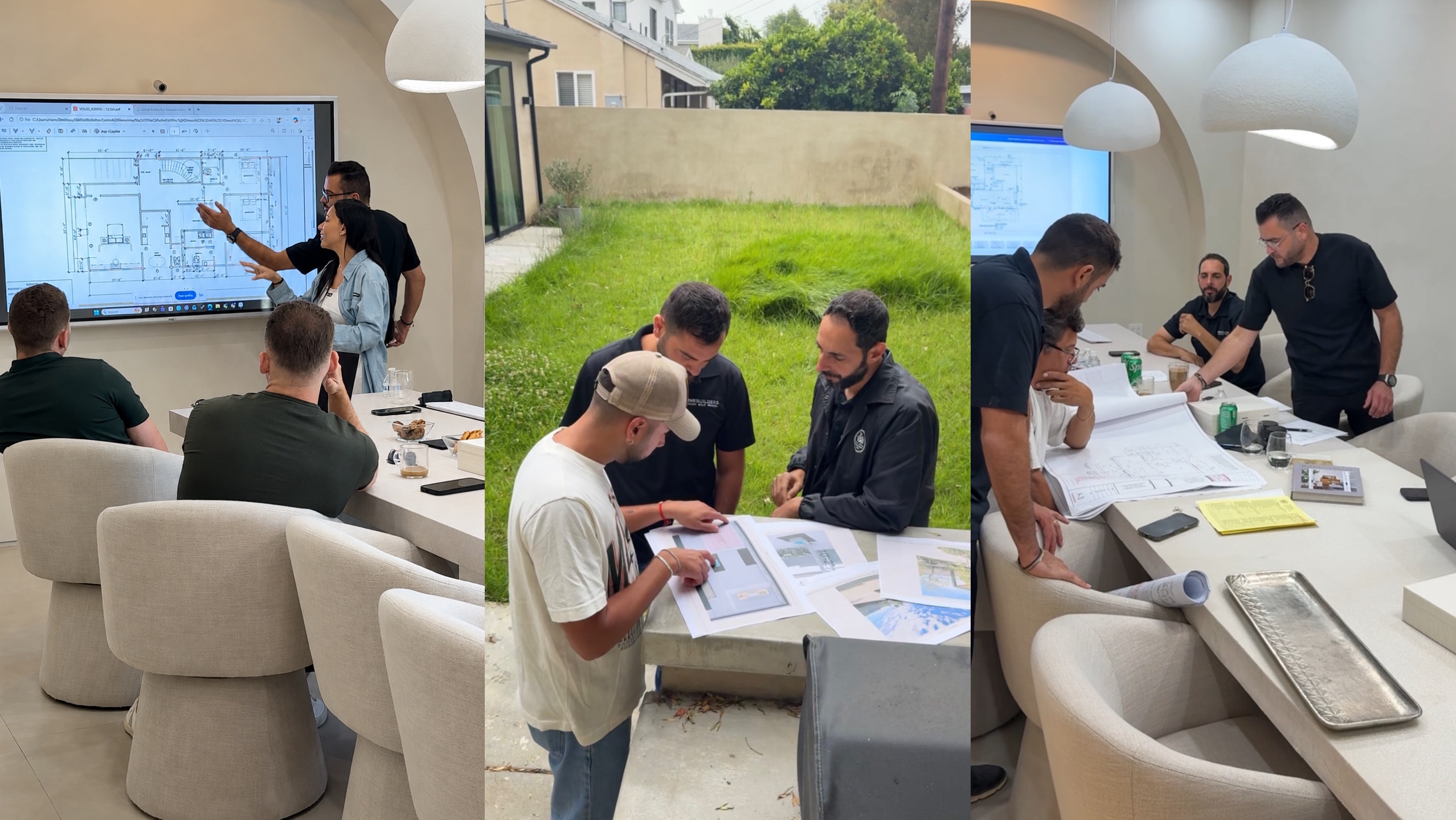
Design-build creates a more integrated structure. One team can coordinate architecture, interiors, engineering, budgeting, permitting, and construction from the beginning.
The Design-Build Institute of America identifies this single point of responsibility as one of the defining differences of design-build.
For homeowners, that can mean fewer handoffs and a clearer understanding of who is responsible for moving the project forward.
Construction Costs Can Influence the Design Earlier
A beautiful architectural concept still has to be buildable within the homeowner’s budget.
When the architect and contractor work separately, meaningful construction pricing may not enter the conversation until later in the process.
With design-build, the construction team can provide feedback while the design is developing.
That allows decisions about layout, structure, materials, and details to be evaluated alongside cost and constructability earlier not after the entire design is complete.
AIA has noted that progressive design-build can bring conceptual cost estimates and schedule input into the project while the design is still being developed.
Fewer Handoffs Can Mean Faster Decisions
Traditional project delivery is often sequential: design first, bidding afterward, and construction after that.
Design-build allows more collaboration between design and construction from the beginning, which can reduce some of those transitions.
AIA describes design-build as an approach in which designers and contractors can work under one contract and, depending on the project, design and construction activities may overlap.
For the homeowner, the practical benefit is simple: when a question comes up, the people responsible for both designing and building the solution are already working together.
The Design Is Developed With Real-World Constructability in Mind
Some details may look perfect on paper but become complicated once construction begins.
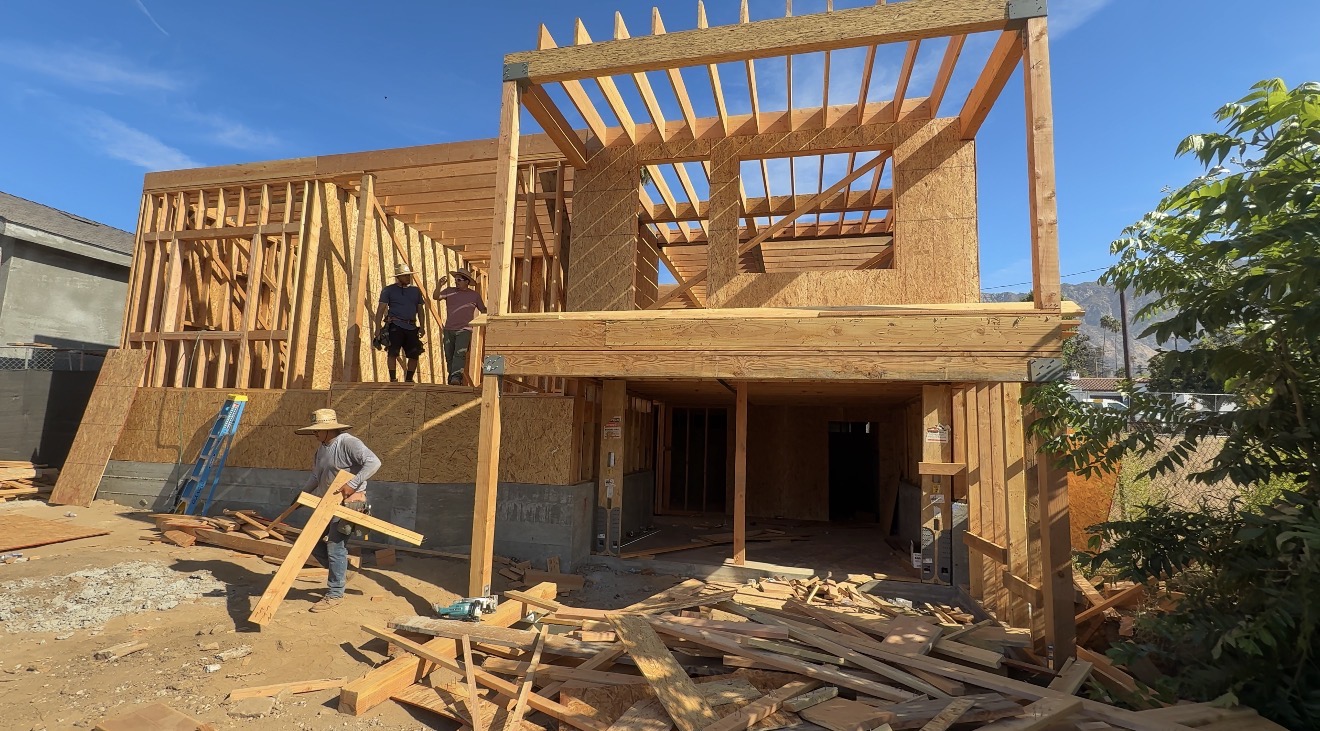
Having builders involved early allows the team to evaluate how architectural ideas will actually be executed in the field.
That can influence everything from structural decisions and mechanical systems to cabinetry dimensions, lighting locations, stone details, and transitions between materials.
Instead of the contractor receiving a finished design and figuring everything out afterward, construction knowledge becomes part of the design conversation itself.
There Is Clearer Accountability
One of the most frustrating moments for any homeowner is hearing:
“That’s the architect’s responsibility.”
followed by:
“That’s the contractor’s responsibility.”
Design-build is intended to reduce that divide by establishing one primary point of responsibility for design and construction. DBIA notes that this structure can make it easier for owners to coordinate details, communicate concerns, and make adjustments throughout the project.
That does not mean challenges disappear. Construction is complex. But it can make the path to resolving those challenges much clearer.
The Final Home Can Feel More Cohesive
For luxury homes especially, the best results often come from hundreds of small decisions working together.
Architecture affects interiors.
Interiors affect lighting.
Lighting affects materials.
Materials affect detailing.
And construction determines how all of those ideas are actually executed.
When those disciplines are coordinated from the beginning, it becomes easier to protect the original vision from concept through completion.
The goal is not simply to design a beautiful home or build a technically successful one.
It is to do both.
Whe ENE Builders Uses a Design-Build Approach
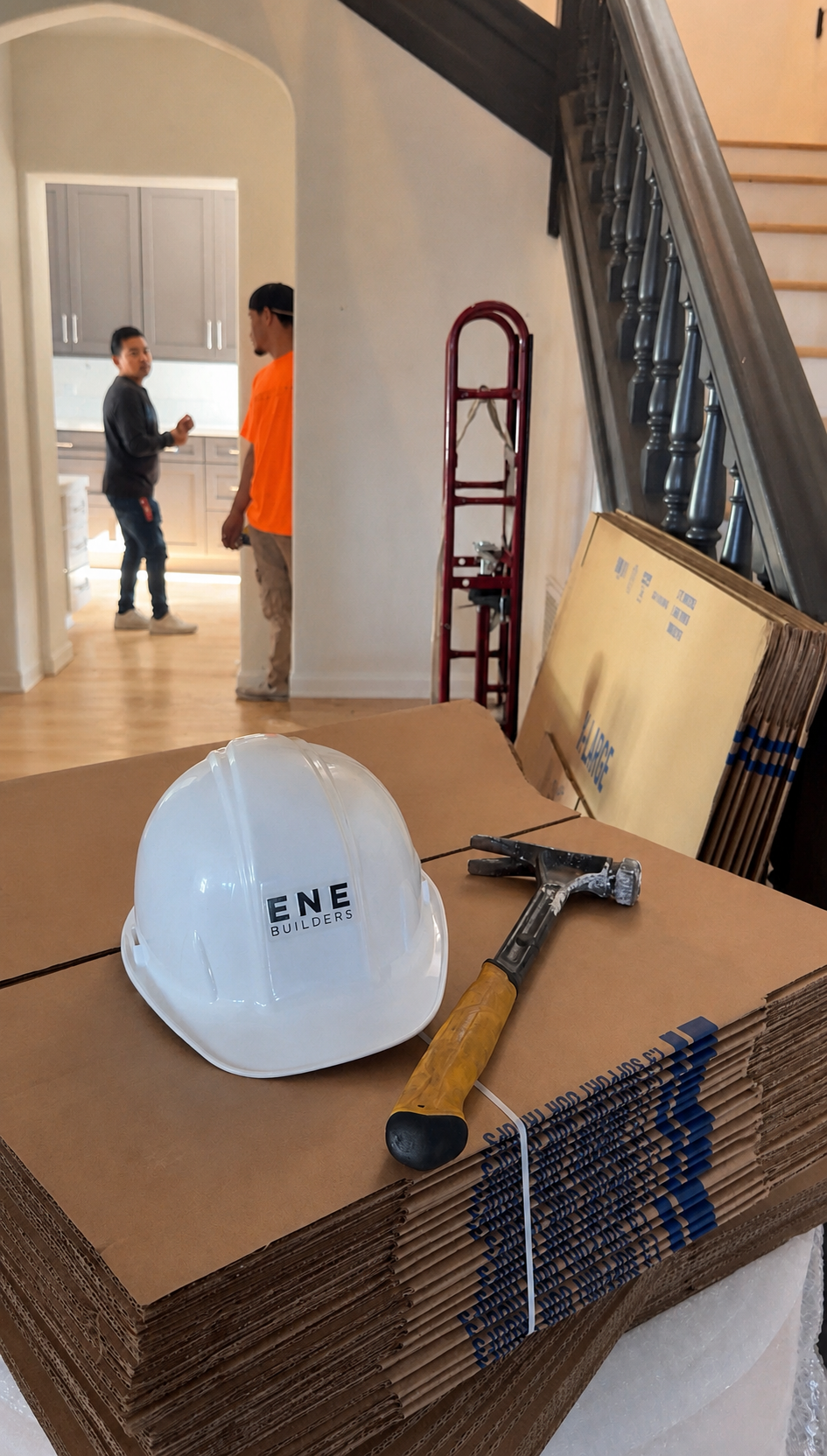
At ENE Builders, architecture, interior design, engineering, permitting, material selection, project management, and construction are approached as parts of one complete process.
Rather than designing a home in isolation and handing it to another company to build, the team can consider design, budget, construction, and detailing together from the beginning.
For homeowners planning a custom home or major remodel in Los Angeles, that means one coordinated process from the first concept to the finished home.
One Team. One Vision. From Concept to Completion.
Planning your next home?
Schedule a consultation with ENE Builders to explore whether design-build is the right approach for your project.
Ready to design your dream home in Los Angeles?
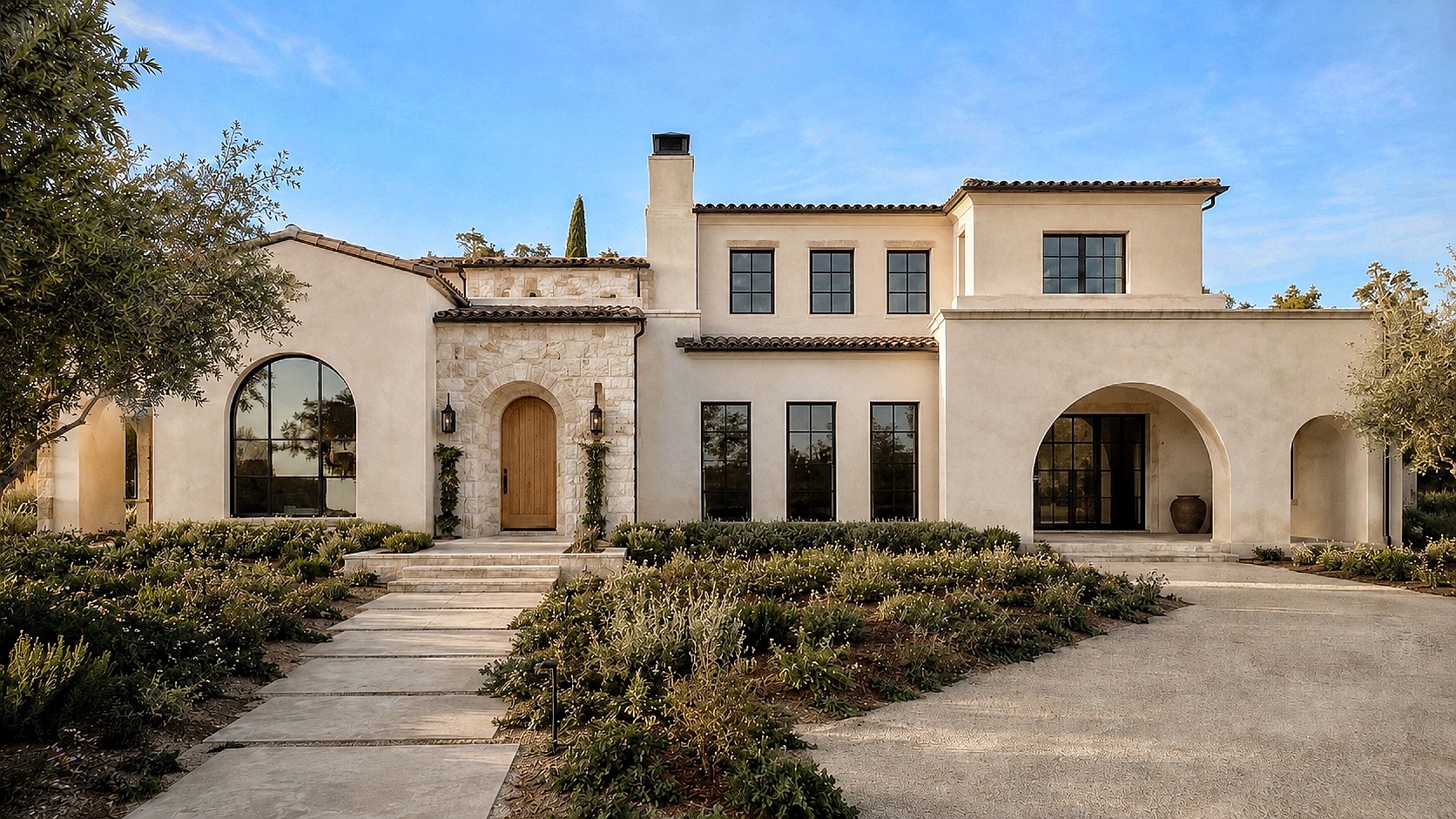
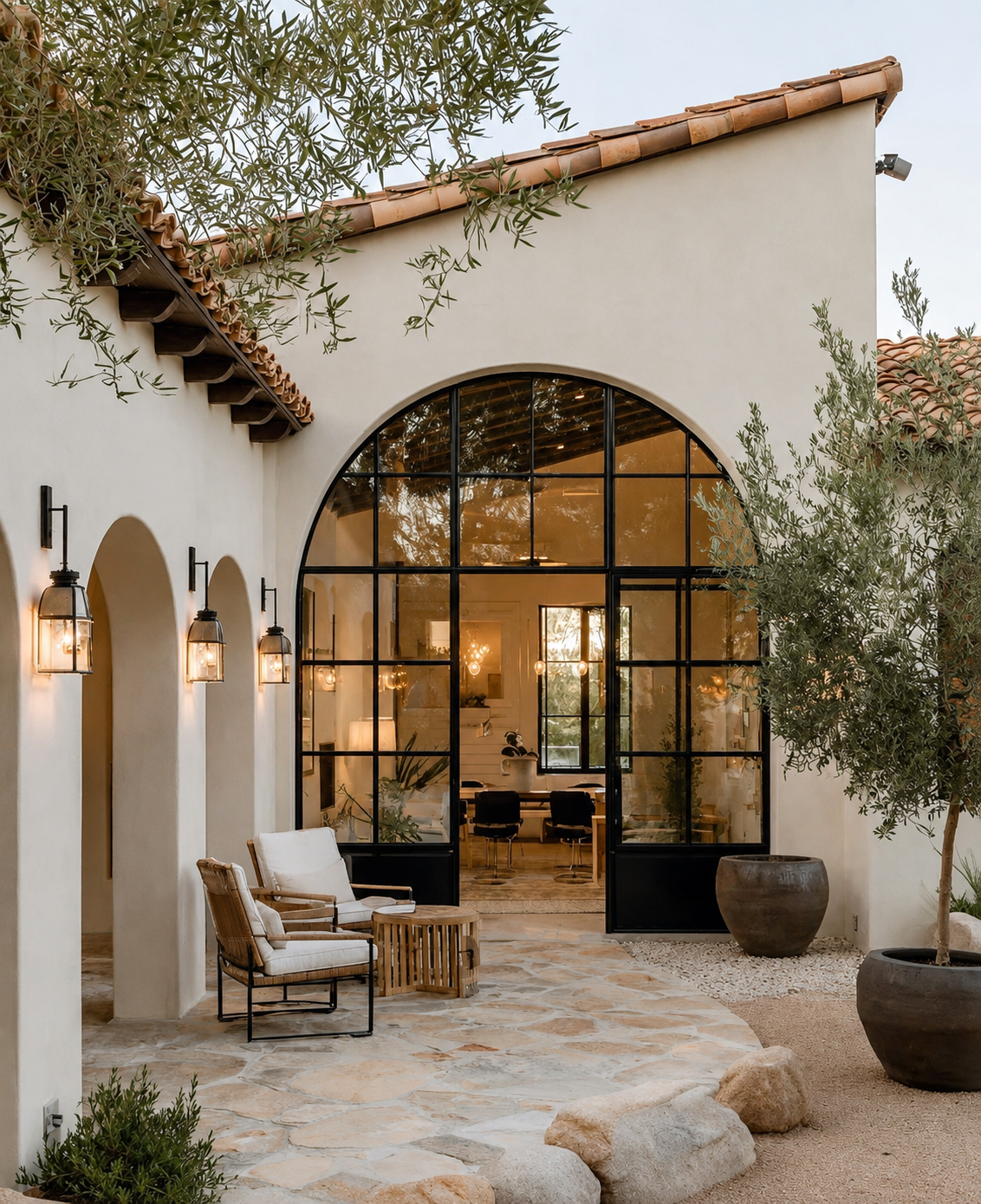
ENE Builders is a family-owned luxury design-build firm serving Los Angeles and Orange County. We specialize in Mediterranean, Spanish Revival, and Organic Modern design — from architecture through final detail.
Contact us today to schedule your consultation.
ENE BUILDERS | LA + OC | enebuilders.com | (877) 272-0139
License #1113906 · Family Owned · Design + Build · Architecture Through Detail