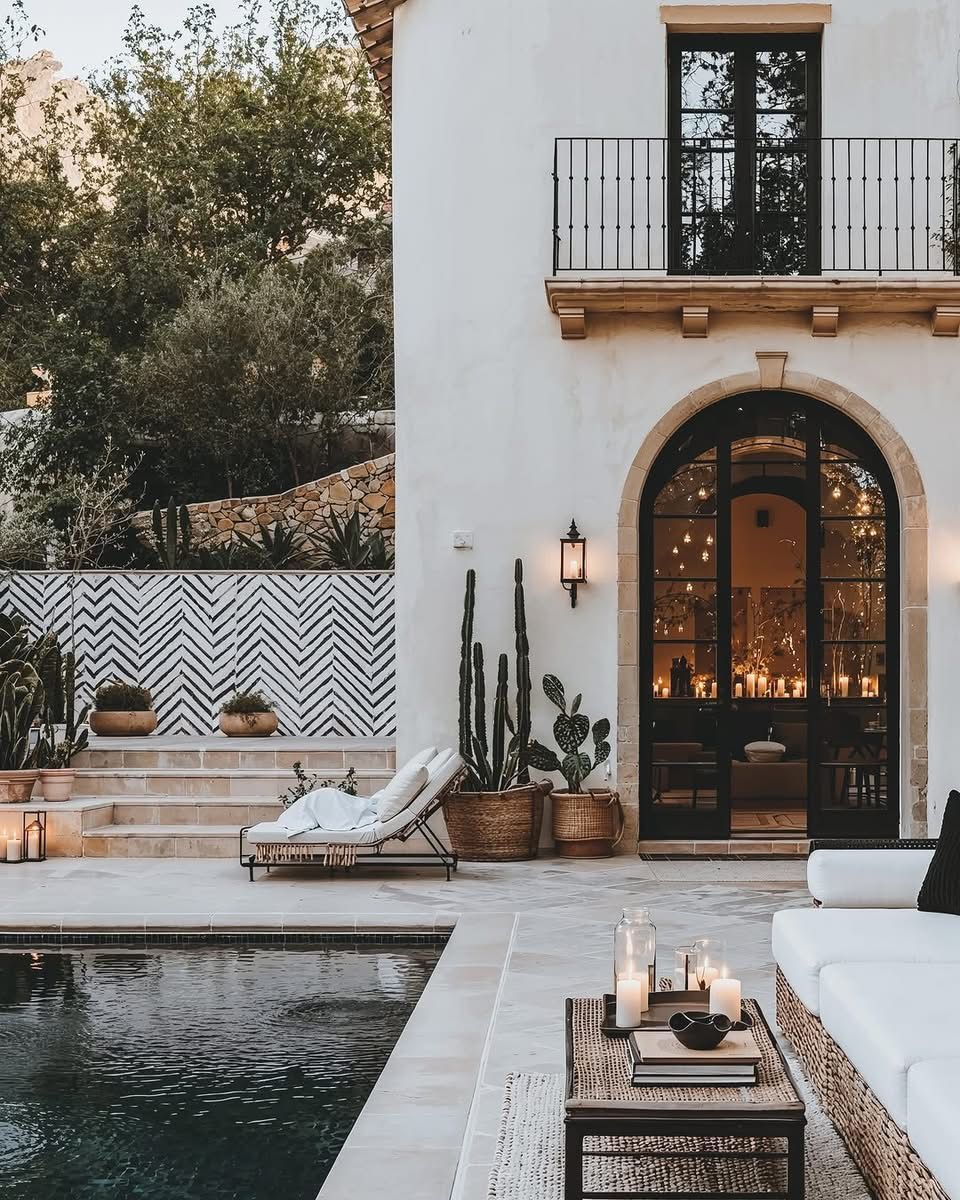
Spanish vs. Mediterranean Homes: What’s the Difference?
A Closer Look at Two Old-World Styles Shaping California Living
In California, architecture is as much about lifestyle as it is about form. Sunlight and the connection between indoor and outdoor living have long shaped the homes we build which is why both Spanish and Mediterranean styles continue to feel so relevant today.
These two architectural approaches come from different places and intentions. Understanding their differences allows homeowners to design with clarity, honoring tradition without replicating it.
Spanish Homes: A Distinct Cultural Identity
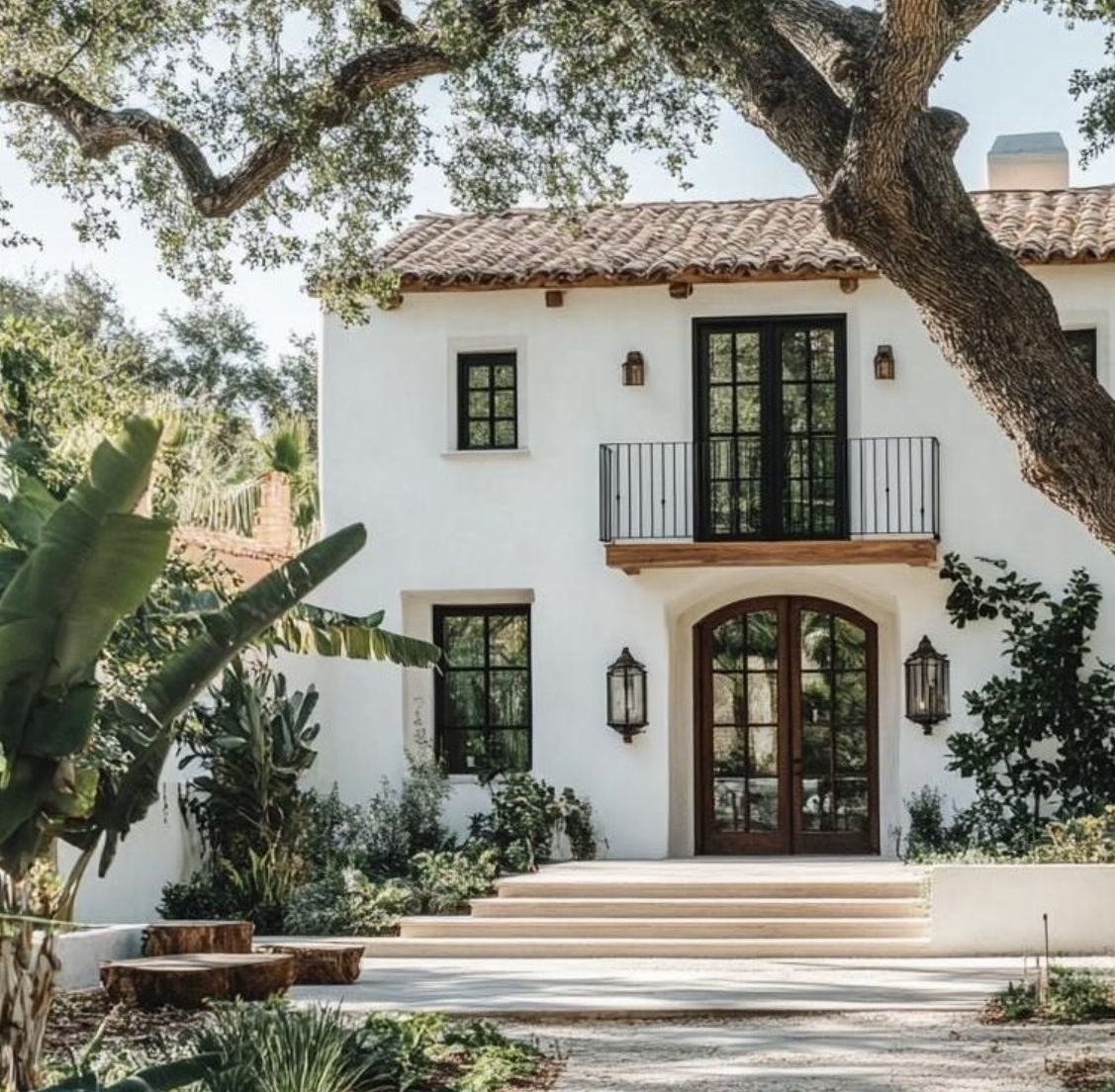
Spanish architecture is deeply rooted in Spain’s Moorish and Colonial past. While it shares materials and forms with Mediterranean design, Spanish architecture places greater emphasis on texture, depth, and craftsmanship.
These homes are grounded, intimate, and expressive.
Defining elements include:
Thick stucco walls for insulation and comfort
Clay barrel roof tiles, often darker and more weathered
Deep arches with heavier, more substantial forms
Hand painted tiles and decorative mosaics
Enclosed courtyards and private patios
Exposed wood beams, carved doors, and custom ironwork
Spanish homes feel layered and soulful, designed to be experienced slowly rather than all at once.
Mediterranean Homes: A Regional Language
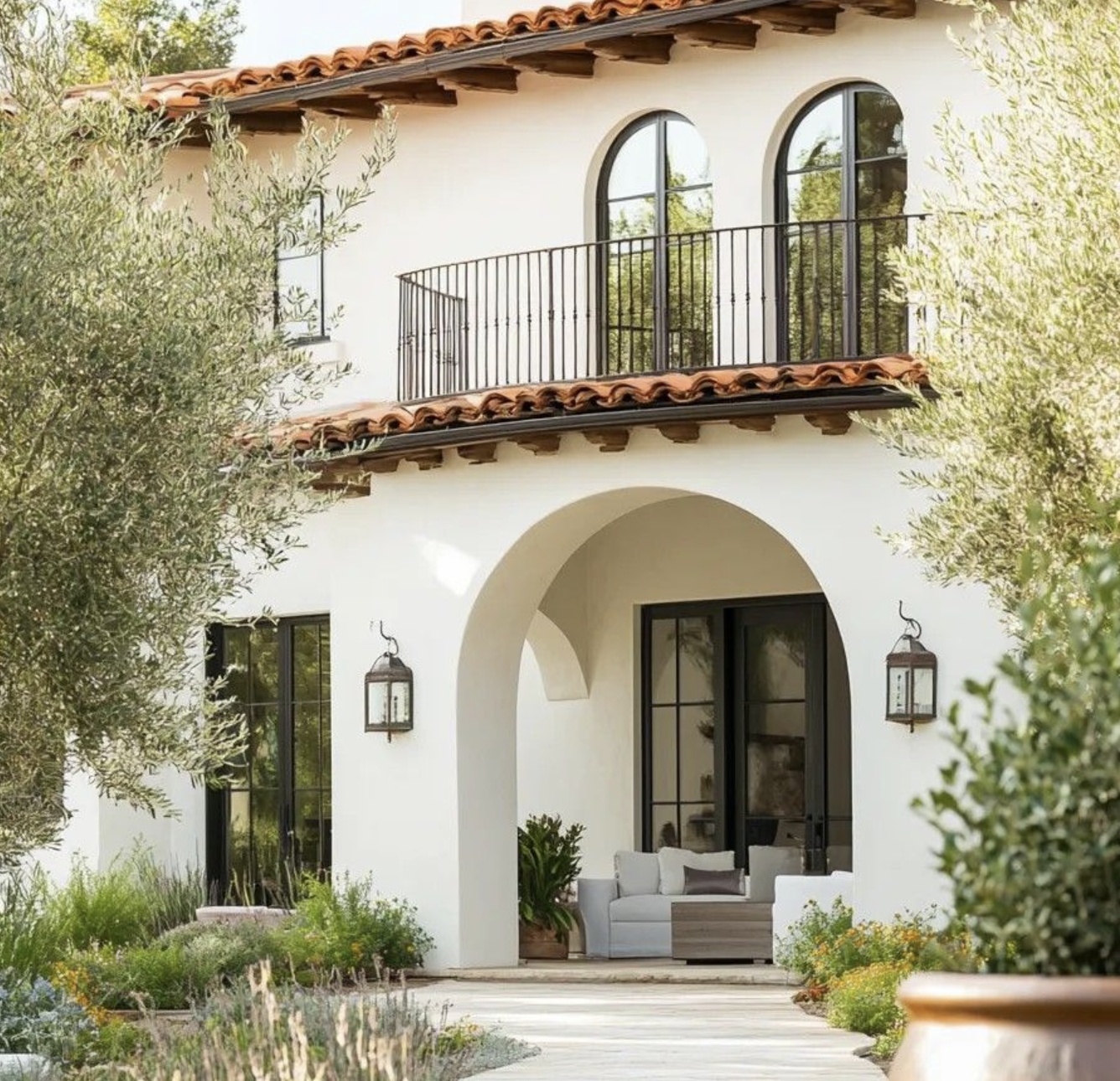
Mediterranean architecture draws inspiration from the countries surrounding the Mediterranean Sea like Italy, Greece, southern France, and Spain. Rather than a single defined style, it is a regional expression shaped by warm climates and coastal living.
These homes are designed to feel open, balanced, and elegant.
Defining elements include:
Smooth stucco or stone exteriors
Low-pitched clay tile roofs
Arched windows and doors with refined proportions
Wrought iron balconies and railings
Loggias, terraces, and open courtyards
Symmetry and visual harmony
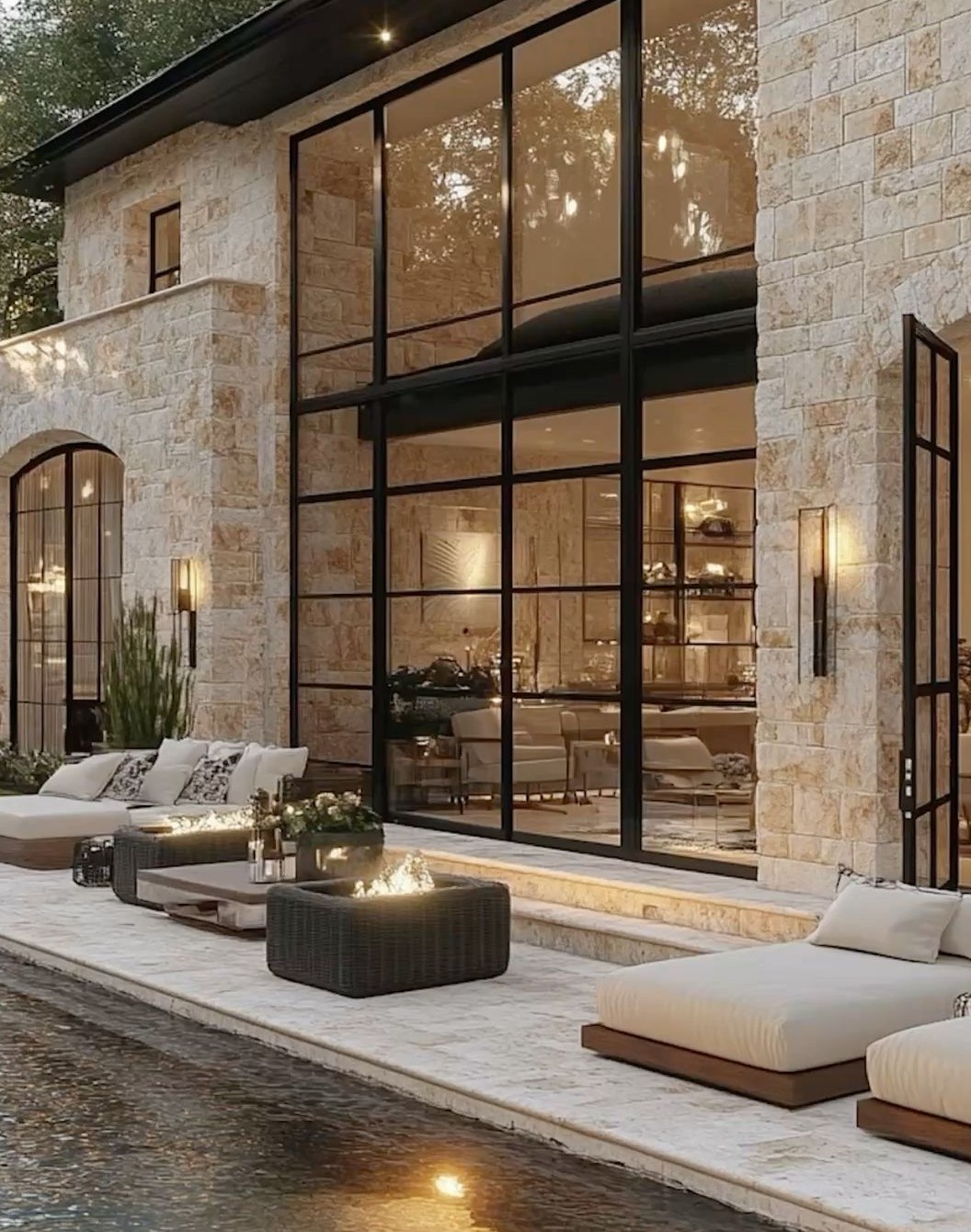
Mediterranean homes often feel light and airy, with an emphasis on flow and openness. In California, this style translates seamlessly into homes that blur the line between inside and out.
Key Differences at a Glance
While the two styles overlap visually, the distinction lies in their intent.
Mediterranean homes prioritize openness, symmetry, and a coastal elegance
Spanish homes emphasize craftsmanship, enclosure, and material richness
Mediterranean design feels broader and more regional
Spanish design feels more intimate and culturally specific
Both styles thrive in California’s climate — the difference is how they express it.
A Modern California Interpretation
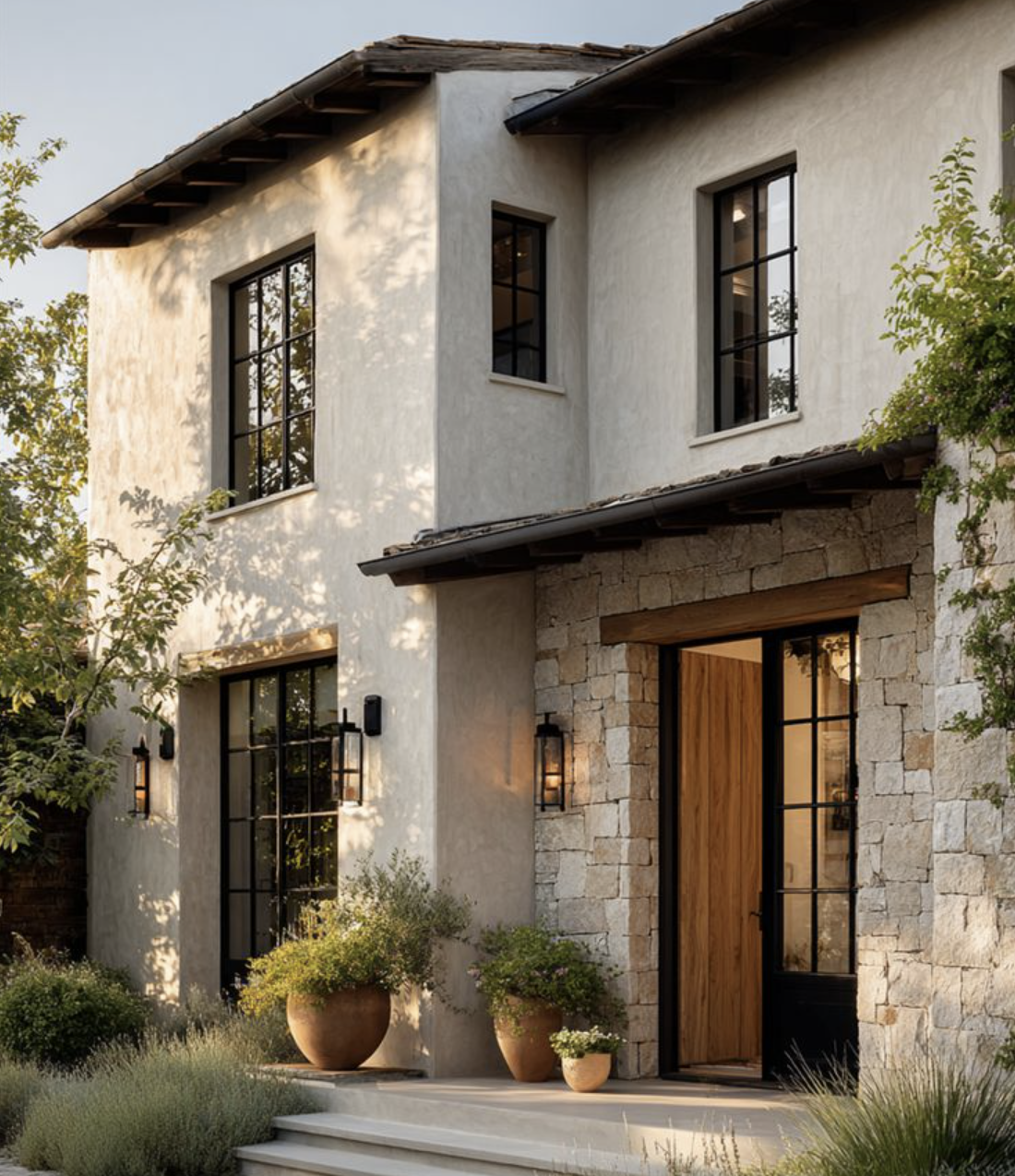
Today’s most successful Spanish and Mediterranean homes are not replicas of the past. Instead, they are reinterpretations, simplified forms, quieter palettes, and a focus on natural materials.
Modern California versions often feature:
Cleaner rooflines
Softer, neutral color palettes
Minimal ornamentation
Thoughtful transitions between indoor and outdoor spaces
When done well, these homes feel timeless rather than themed honoring their origins while fully belonging to the present.
The choice between Spanish and Mediterranean isn’t about right or wrong. It’s about understanding the story you want your home to tell.
Whether you’re drawn to the airy elegance of Mediterranean design or the grounded warmth of Spanish architecture, clarity and restraint are what transform tradition into something enduring.
Contact us today for a consultation and let us show you how we can transform your vision into a space you will love.
ENE BUILDERS | LA + OC Remodeling
Family owned affordable design+build firm
Specializing in Spanish revival , Modern Mediterranean Organic Design
From A-Z: Architecture | Design | General Contractor | Showroom Details obsessed + Planning perfection