
Top Home
Design Trends
for 2025
HANNAH A · MARCH 31, 2025
Textured Walls and Ceilings
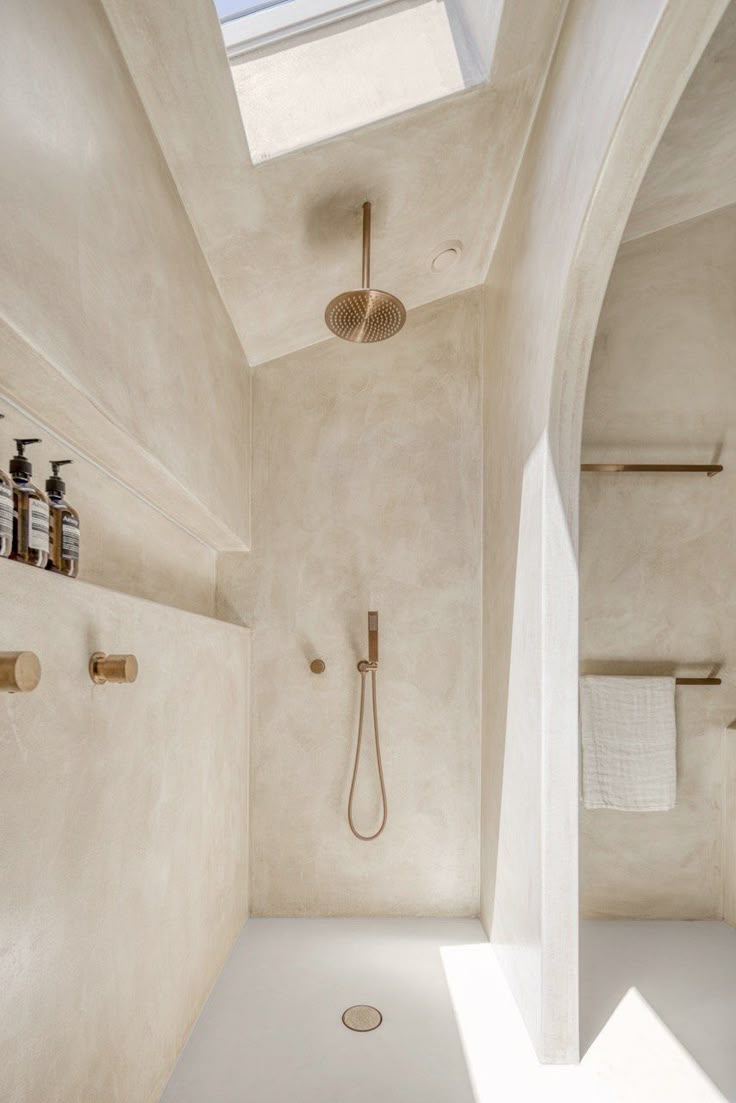
Plain surfaces are making way for rich, layered textures that add depth, warmth, and character to interior spaces. Homeowners and designers are moving beyond traditional painted walls, opting for visually and tactilely engaging surfaces that elevate the overall ambiance of a room.
One of the most popular techniques in this trend is wallpapered ceilings, sometimes called the “fifth wall.” Instead of leaving ceilings blank, intricate patterns, soft textures, and even metallic finishes are being used to create a more immersive experience. Whether through floral motifs, geometric prints, or subtle textures that mimic fabric, wallpapered ceilings draw the eye upward, adding an unexpected layer of design.
Wood paneling is also making a strong comeback, but in a modernized form. Instead of the heavy, dark wood finishes of the past, today’s wood paneling embraces light oak, natural walnut, or painted shiplap to bring warmth and a sense of craftsmanship to spaces. Fluted and slatted wood walls, in particular, are trending, providing a rhythmic visual effect that enhances acoustics while adding a contemporary feel.
Another sophisticated approach is decorative plaster finishes, such as Venetian plaster, limewash, and tadelakt. These old-world techniques create organic, soft, and subtly textured surfaces that play beautifully with natural light. Unlike smooth, glossy walls, plaster adds movement and depth, making spaces feel more dynamic and lived-in.
Incorporating these textural elements into home design transforms once-flat surfaces into striking focal points, infusing rooms with warmth, dimension, and a curated sense of luxury. Whether through a statement ceiling, a textured feature wall, or a tactile plaster finish, these techniques enhance both the visual and sensory experience of interiors, creating spaces that feel rich, inviting, and full of personality.
Home Wellness Spaces
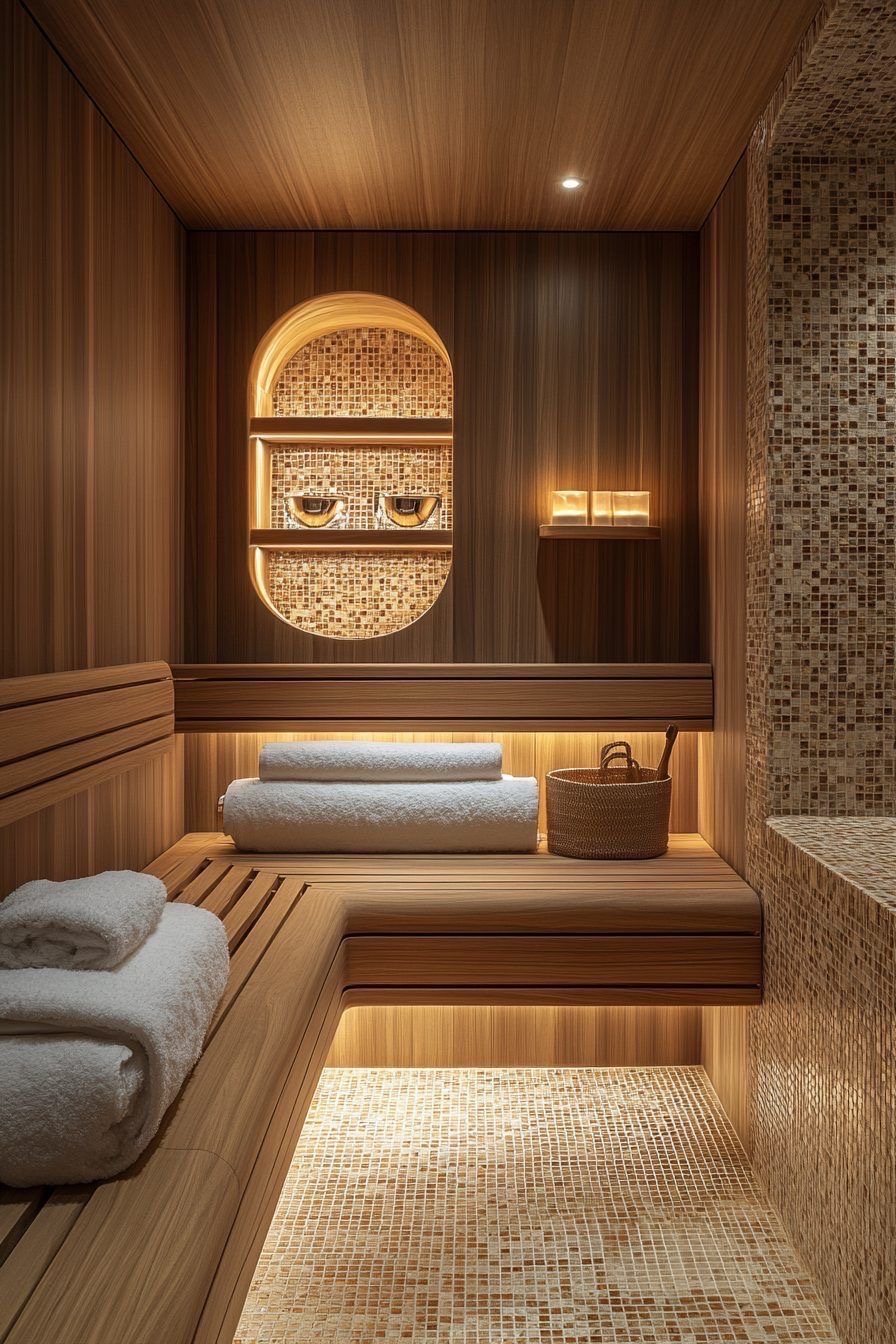
As the focus on holistic well-being continues to grow, homeowners are dedicating more space to wellness within their interiors. These purposefully designed areas go beyond simple exercise rooms, transforming into personalized retreats that support mental, emotional, and physical health.
Yoga and meditation spaces are becoming essential features in modern homes, offering a quiet escape from daily stress. These rooms often incorporate large windows or skylights to bring in ample natural light, creating an open and airy atmosphere that fosters tranquility. Soft, neutral color palettes—such as soothing blues, earthy greens, and warm beiges—help set a calming tone, reducing visual clutter and promoting relaxation.
Biophilic design elements, including indoor plants, water features, and natural materials like bamboo, wood, and stone, enhance the restorative quality of these spaces. Greenery not only purifies the air but also introduces a connection to nature, which has been shown to lower stress levels and improve focus.
For those looking to create a multifunctional wellness retreat, incorporating infrared saunas, aromatherapy diffusers, or sound therapy systems can elevate the experience. Custom lighting—such as dimmable sconces or LED mood lighting—allows homeowners to tailor the ambiance to suit relaxation, meditation, or gentle movement practices like stretching and breathwork.
Even smaller homes can embrace this trend by carving out a wellness corner, using soft rugs, floor cushions, and storage for yoga mats and meditation accessories. Whether through a dedicated room or a thoughtfully designed nook, these wellness spaces provide much-needed sanctuaries for rejuvenation, helping to promote mindfulness, mental clarity, and overall well-being in daily life.
Integrated Outdoor Living

The boundary between indoor and outdoor spaces is becoming increasingly seamless, with homeowners and designers prioritizing a fluid connection between the two. No longer just an afterthought, outdoor spaces are being designed with the same level of comfort, functionality, and style as interior rooms, effectively expanding the home’s livable area while fostering a stronger relationship with nature.
One of the biggest trends in this movement is the rise of outdoor kitchens, which go far beyond a simple grill. Fully equipped with built-in pizza ovens, smokers, refrigeration, and bar areas, these outdoor cooking spaces make it easy to entertain and enjoy meals al fresco. Durable materials such as stainless steel, concrete, and natural stone ensure longevity while complementing the outdoor environment.
Comfortable, weather-resistant seating areas are also becoming a priority, with plush sofas, lounge chairs, and even outdoor sectionals making patios and decks feel like extensions of the indoor living room. Textiles designed to withstand the elements, such as performance fabrics and all-weather wicker, allow for year-round enjoyment without compromising on style or comfort.
To further enhance the seamless transition between indoor and outdoor living, homes are incorporating large sliding or accordion-style glass doors, blurring the lines between the two spaces. When open, these expansive doors create a harmonious flow, allowing natural light and fresh air to flood interior spaces while providing an uninterrupted view of the landscape.
Outdoor décor is also evolving, with stylish rugs, lanterns, sculptures, and even statement lighting fixtures being used to create inviting and curated atmospheres. Fire pits, water features, and pergolas add warmth and ambiance, making outdoor spaces just as cozy and functional as any indoor room.
This shift toward integrated indoor-outdoor living not only maximizes square footage but also enhances overall well-being by encouraging more time spent outside. Whether through a fully equipped outdoor kitchen, a cozy lounge area, or a nature-inspired retreat, this trend continues to transform the way we interact with our homes and the natural world around us.
Neutrals with a Pop of Color
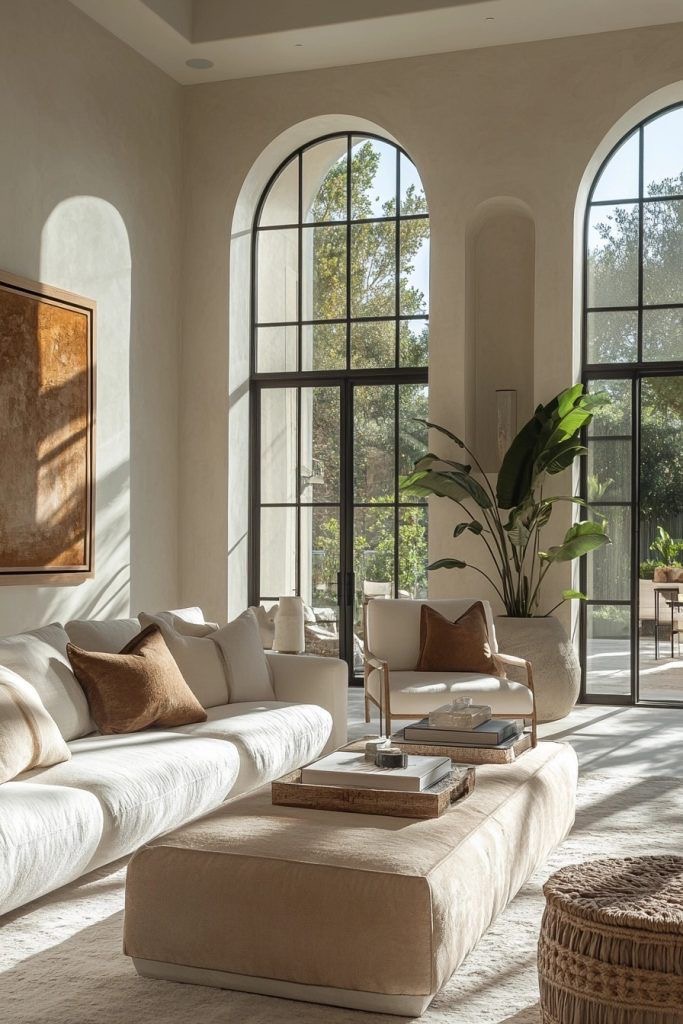
While neutral palettes remain a timeless staple in interior design, incorporating vibrant accents adds a fresh and dynamic touch to spaces. These vivid pops of color breathe new life into rooms, introducing energy and personality without detracting from the serene and timeless nature of neutral tones.
The key to successfully blending bright colors with neutrals lies in striking the right balance. Bold hues such as rich blues, deep oranges, bright yellows, or lush greens can be introduced through decorative pillows, throws, artwork, or statement furniture pieces like chairs or ottomans. These accents act as focal points that draw the eye and inject a sense of fun and personality into a room, while still allowing the neutral backdrop to provide a sense of calm and cohesion.
This approach gives homeowners the freedom to make bold design choices without overwhelming the space. The neutral foundation, often made up of soft beiges, warm grays, or creamy whites, serves as a canvas that lets the colors pop without competing for attention. Whether used sparingly or more exuberantly, vibrant accents add layers of interest, creating a room that feels lively and inviting.
This technique is particularly effective in spaces that require both style and functionality, such as living rooms, dining areas, or home offices. The right mix of bold colors can elevate the mood of a room, making it feel more energetic and welcoming while maintaining an overall sense of sophistication and balance.
In essence, combining neutrals with vibrant accents offers a harmonious design that combines the elegance of subtle tones with the dynamic flair of expressive colors, resulting in a space that is both stylish and full of personality.
Curved Furniture

Soft, rounded edges in furniture design are making a strong comeback, bringing a sense of warmth and comfort to modern interiors. These gentle curves replace the sharp, angular lines that were once dominant in furniture design, offering a more visually pleasing and inviting ambiance. Curved furniture pieces, such as rounded sofas, circular beds, and wavy mirrors, help create a flow that feels both elegant and fluid, adding a sense of softness to a room.
The appeal of curved furniture lies in its ability to soften the atmosphere of a space, making it feel more relaxed and cozy without sacrificing sophistication. A curved sofa can serve as both a functional seating area and a sculptural element that draws the eye, creating a striking focal point in a living room. Circular beds offer a unique, luxurious touch to bedrooms, creating an inviting and comfortable environment with their smooth, flowing design. Similarly, wavy mirrors can transform a room by adding a playful yet refined aesthetic, reflecting light and enhancing the feeling of openness.
Incorporating these rounded shapes into your living spaces brings an element of fluidity and movement, breaking up the rigidity of traditional straight lines. The result is a more harmonious and balanced atmosphere that encourages relaxation and connection. Whether through furniture, mirrors, or decorative accents, the trend of soft, rounded edges offers a simple yet impactful way to elevate the comfort and style of your home.
Contact us today for a consultation and let us show you how we can transform your vision into a space you will love.
ENE BUILDERS | LA + OC Remodeling
Family owned affordable design+build firm
Specializing in Spanish revival , Modern Mediterranean Organic Design
From A-Z: Architecture | Design | General Contractor | Showroom Details obsessed + Planning perfection